
Introduction
Welcome to my portfolio for the Advanced Translation Technology course. This post highlights the skills and knowledge I’ve gained, emphasizing my proficiency with translation management systems (TMS) and machine translation (MT) technologies. Through this course, I have prepared myself for advanced roles in the translation and localization industry, such as translator, project manager, administrator, and engineer. Here, I reflect on the key learnings and practical applications that have shaped my expertise.
Course Overview and Key Learnings
Bridging the Gap Between TMS and MT
First off, this course has been an eye-opening journey into the sophisticated tools that define modern translation workflows. Building on foundational knowledge, this course delved deeply into the nuances of TMS and MT, highlighting their pivotal roles in enhancing productivity and accuracy in translation projects.
Machine Translation: Customization and Quality
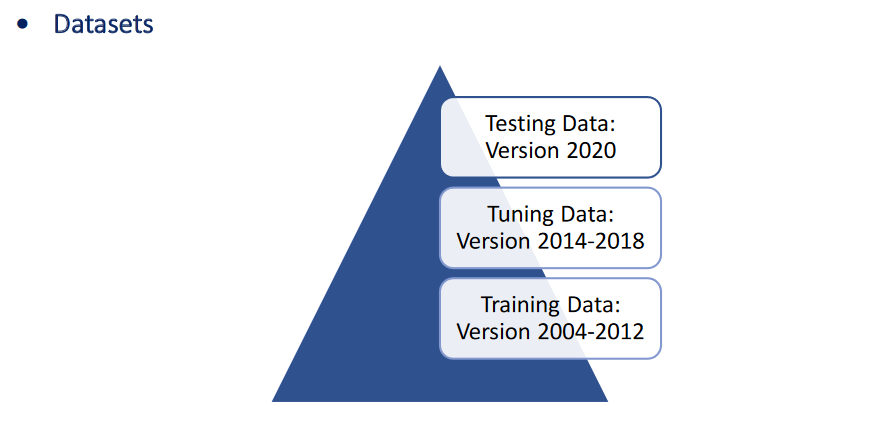
One of the most impactful segments of the course was machine translation (MT). We explored how to customize neural machine translation (NMT) engines to suit specific domains, which is crucial for achieving high-quality, contextually accurate translations. Hands-on experience in training MT engines emphasized the importance of domain-specific data and best practices in MT customization.
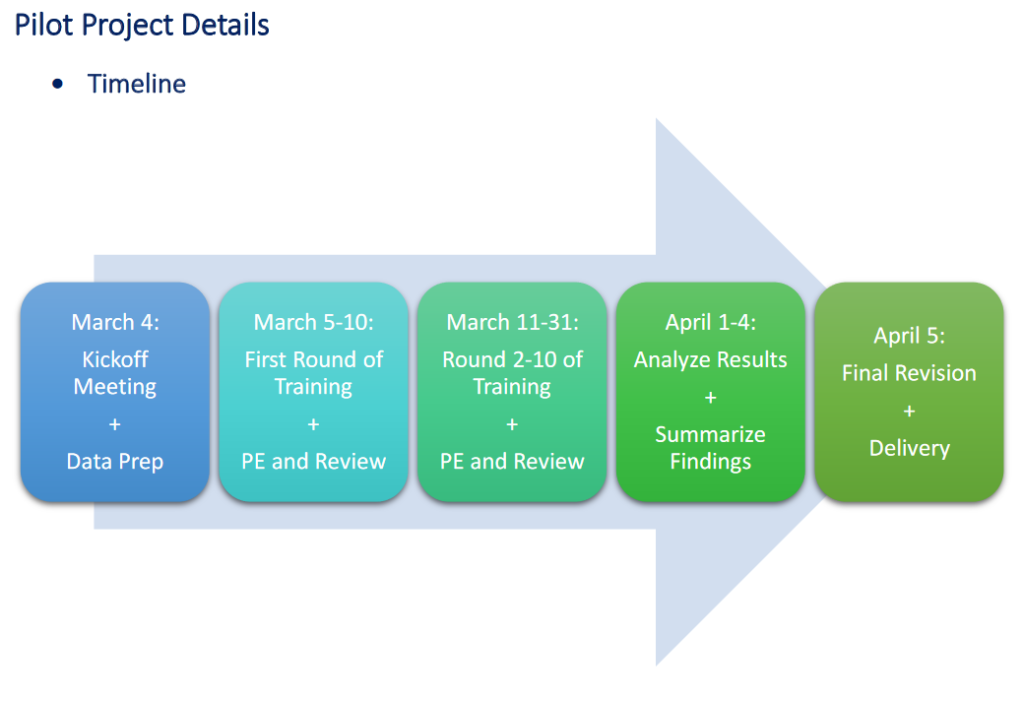
Additionally, we learned to evaluate MT quality, prepare and clean data for optimal performance, and conduct financial analyses to ensure cost-effective MT solutions. These skills are essential for any translation professional looking to leverage MT effectively.
Translation Management Systems: Mastery and Integration
The course also provided in-depth training on various translation management systems (TMS). We covered everything from basic functions such as user setup and asset management to more complex tasks like workflow creation and project completion. A significant highlight was our work with XTM, a leading TMS, where we navigated both linguistic and technical workflows. This hands-on practice was invaluable in developing the ability to learn new TMS platforms independently and make informed recommendations about which systems and workflows are best suited for different project needs.
Our group members each chose a TMS and did our own research before sitting down and comparing them on the 7 requirements – scalability, cost, usability, file formats, workflow management, integration, cloud capabilities and AI development.
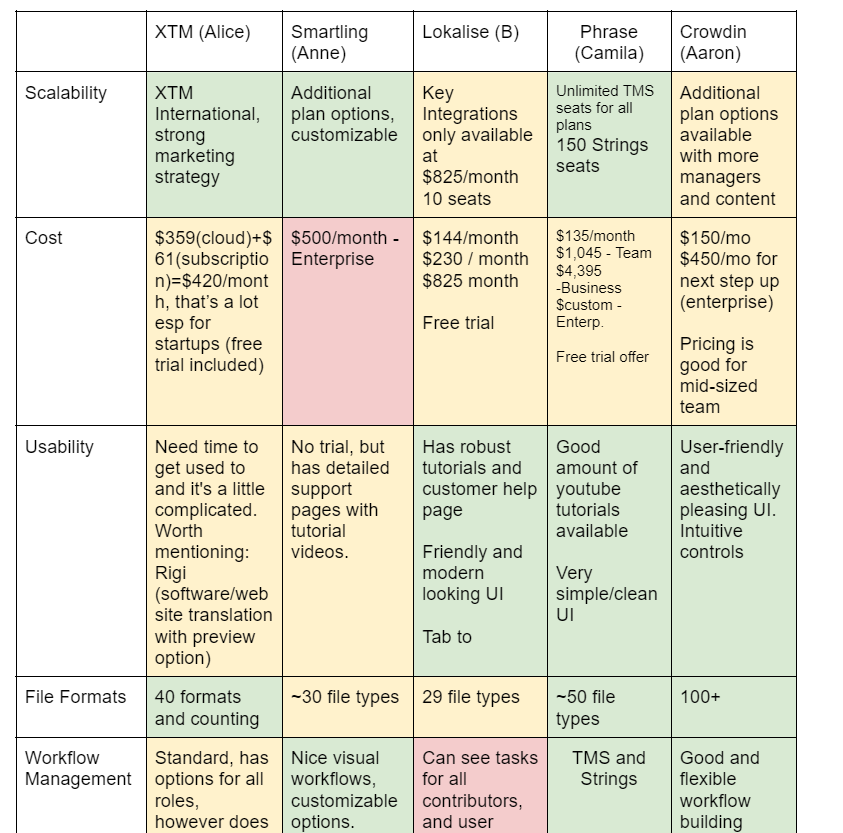
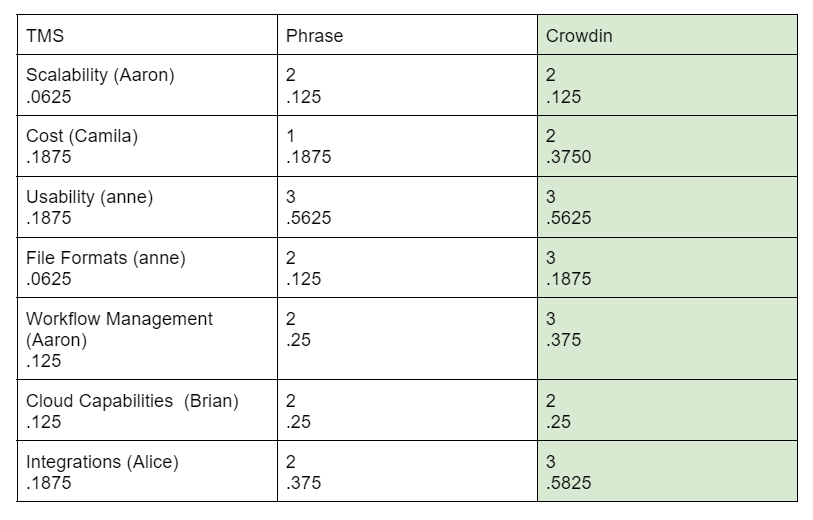
After the comparison, we decided on the two top options for games localization – Crowdin and Phrase! Please take a look at our final presentation if you’re eager to know who was the final winner!
Furthermore, the course emphasized the integration of TMS with other tools and systems, streamlining translation processes and enhancing efficiency. Learning about these integrations has equipped me with the knowledge to recommend and implement seamless workflows, ultimately improving project outcomes.
Staying Ahead with AI and Technological Advances
Another critical aspect of the course was staying updated with the latest advances in AI and related technologies. The translation and localization industry is rapidly evolving, and being able to keep up with these changes is vital. We explored how to fine-tune large language models (LLMs) for specific tasks, ensuring that our skills remain relevant and cutting-edge. This forward-thinking approach is crucial for maintaining a competitive edge in the industry.
Conclusion
Reflecting on my journey through the Advanced Translation Technology course, I am confident in my ability to effectively utilize both TMS and MT technologies. The hands-on experience and deep dives into customization, evaluation, and integration have prepared me to tackle complex translation projects with a high degree of technical proficiency. This portfolio not only highlights my technical skills but also demonstrates my ability to adapt to new systems and continuously evolve with technological advancements in the field. As I move forward in my career, these insights and experiences will be instrumental in delivering high-quality, efficient translation solutions.